

English
At Longfields Primary School, we are committed to delivering a rich and diverse English curriculum that fosters a love of reading and writing among our students. Our curriculum is designed to engage learners through a variety of stimulating reading materials, including classic literature, contemporary texts, and a range of genres that reflect the diverse voices of our community.
We recognise that the skills our children learn through reading and writing not only improve their literacy and attainment, but can have a profound impact on their confidence, self-esteem, motivation and overall success later on in life. We aim to empower our children to learn and grow independently and develop a love of reading and writing.
Longfields’ curriculum is underpinned by developing students’ abilities to speak, listen, read and write for a wide range of purposes, including using language to learn, communicate, think, explore and organise. Helping students to express themselves clearly, through development of vocabulary, both orally and in writing, enhances and enriches teaching and learning in all subjects and prepares the student for life after school.
Phonics
Phonics plays a big role in the development of reading and writing. It is the first tool to make (blend) words, or write (segment) them. It enables our children become competent writers and fluent readers early in their school life.
AIMS AND PURPOSE
- To teach children to apply the skill of blending phonemes in order to read words.
- To teach children to segment words into their constituent phonemes in order to spell words.
- To learn that blending and segmenting words are reversible processes.
- To teach children to read high frequency words that do not conform to regular phonic patterns.
- To teach children to read texts and words that are within their phonic capabilities as early as possible.
- To teach children to decode texts effortlessly so all their resources can be used to comprehend what they read.
At Longfields Primary School we follow the Read Write Inc scheme which is a systematic approach to teaching phonics. Phonics is taught in discrete, daily lessons throughout the Early Years Foundation Stage and Key Stage 1 with additional sessions for those in KS2 who need support.
ASSESSMENT
At the end of Year 1 class teachers will carry out the Year 1 Phonics Screening Check with each child in their class on a 1:1 basis (a compulsory requirement). Each child will be asked to read 40 words aloud, the 40 words will be made up of real words and non-words. The assessment is to confirm whether pupils have learnt their letter sounds and whether they can use them to decode and read a range of words of increasing phonic complexity. There is no time limit on the test and it has been carefully designed not to be stressful for your child.
We believe that reading, and particularly reading for pleasure, has a direct impact on cognitive and social communicative development. Our aim is to develop each student’s potential to the point where they are reading at, or above, their chronological age.
Writing in KS1
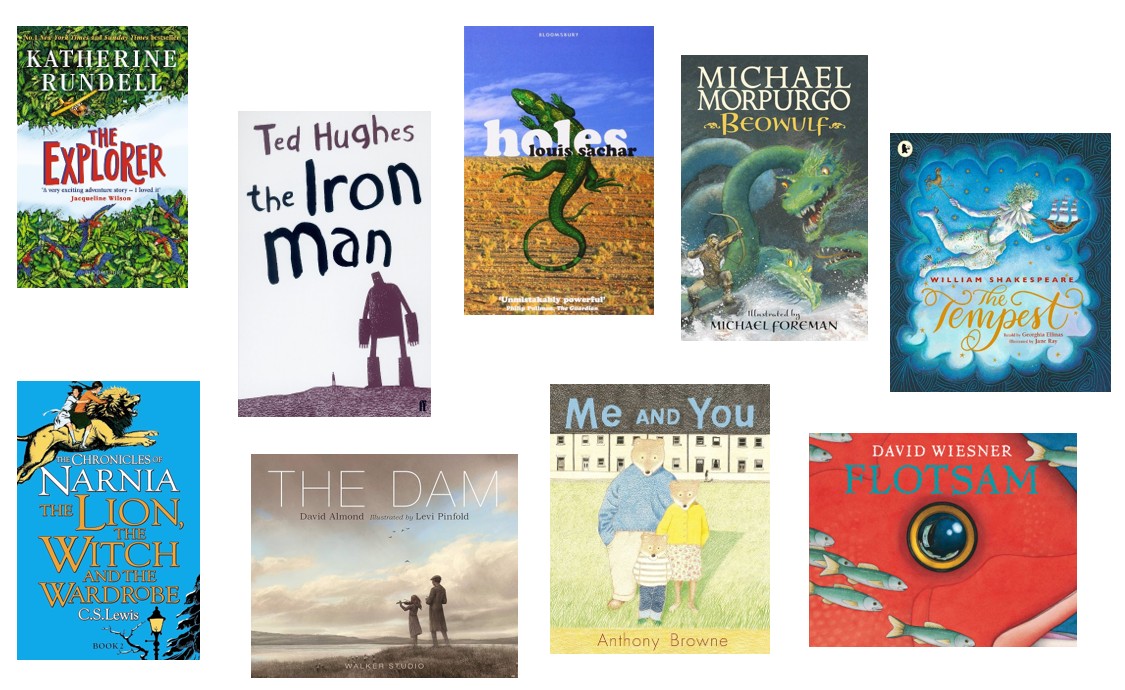
Throughout Key Stage 1, children are exposed to a variety of texts that aim to stimulate a love of reading and writing. Children will focus on sentence level work in order to build strong foundations for writing as they move up the school. We have taken care to develop a writing curriculum that not only aims to engage, but to also reflect our diverse community and encourage critical conversations around books.
As children progress through Key Stage 1, they will begin to engage with writing tasks with a variety of purposes and audiences in order to prepare them for the continuation of their writing journey in Key Stage 2.
Writing in KS2
Throughout Key Stage 2, we have developed a writing curriculum that aims to provide children with a range of purposes and audiences to write for in order to further cultivate a love of writing.
Our children are immersed in a writing stimulus through a variety of engaging activities that aim to explore the characters, setting and authorial intent within a text. They are exposed to tiered vocabulary that they are encouraged to use both in their writing and orally, and are encouraged to explore and engage with material using a variety of drama and oracy activities.
Students are then supported and encouraged to explore various grammar and punctuation features within the context of their writing stimulus. We aim to allow children opportunities to practise their skills in a variety of ways.
Writing outcomes are planned for with two key factors in mind: purpose and audience. Children are encouraged to consider these factors when planning and writing in order to not only assess their success, but also to develop an individual voice within their writing. We want our children to feel proud of their work and therefore provide opportunities for them to publish their work in a variety of ways.
Spelling
We recognise that spelling can be a real barrier to writing and as such, understand the importance of developing fluency and understanding for our children.
Children from Year 1 to 6 have weekly spellings where they are encouraged to develop their knowledge of spelling patterns and given opportunities to practise within a variety of contexts.
Handwriting
At Longfields Primary School, we understand the importance our children developing a mature and speedy handwriting style that will support them in their later life. We follow the Read, Write Inc handwriting programme which allows our students to learn, practise, develop and embed a handwriting style that supports their learning. Handwriting begins in Early Years where letter formation is taught as our youngest learners learn to read them. In Key Stage 1, we then use the 'Letter Village' provided by Read, Write Inc which secures letter formation. In Year 2, our children are introduced to joins. In Years 3 and 4, handwriting lessons continue with the aim of developing a mature and speedy handwriting style.
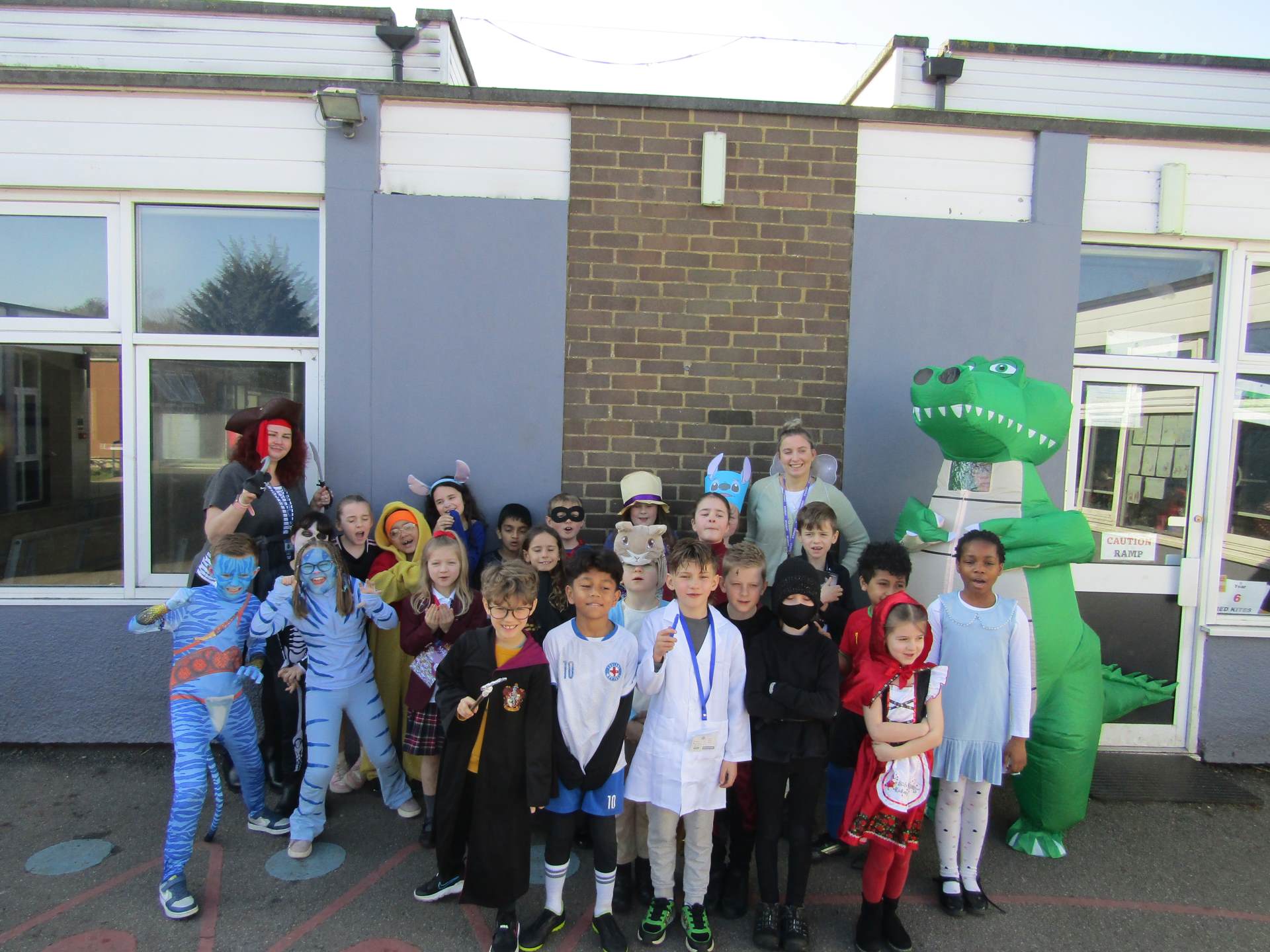
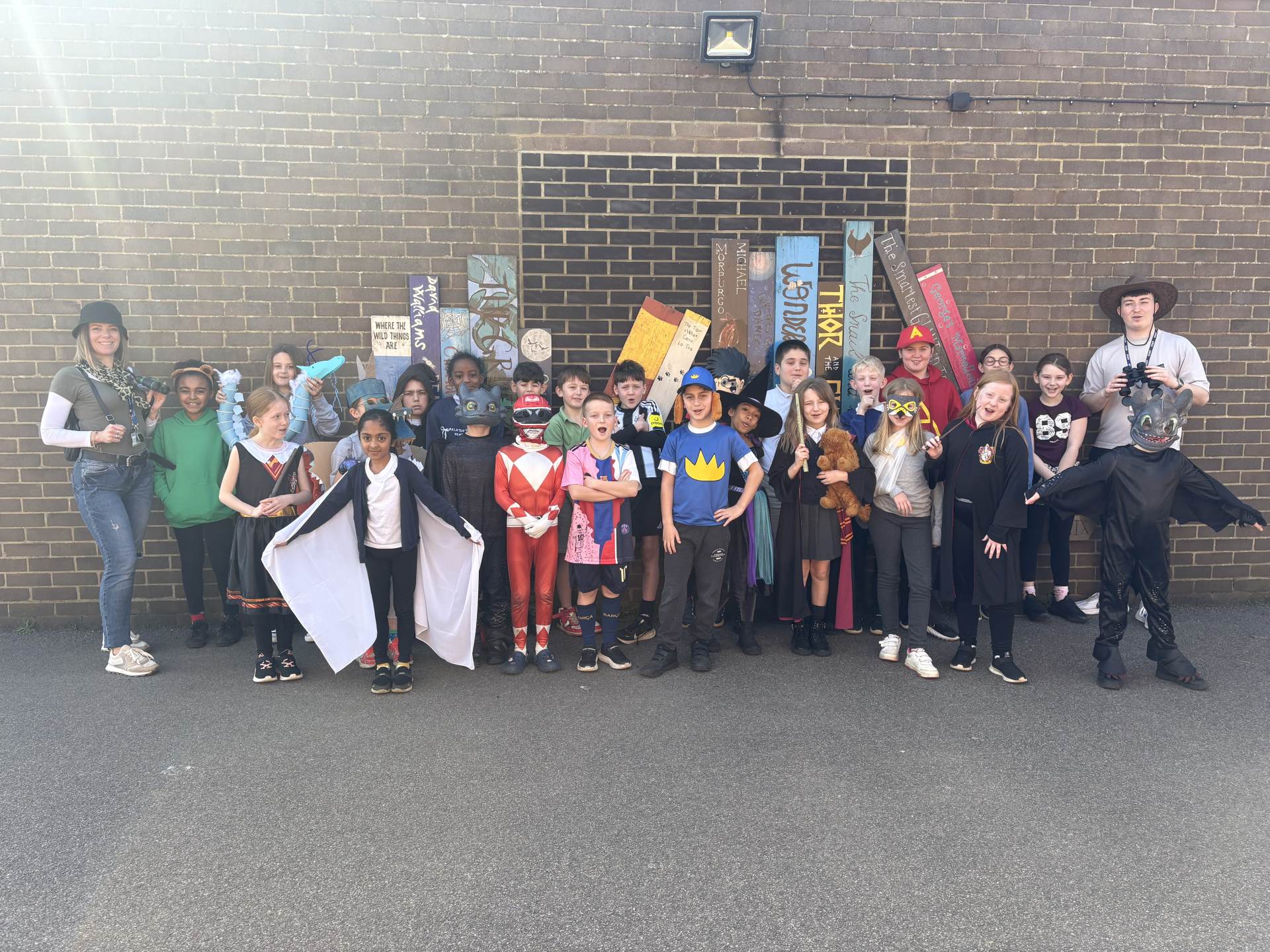
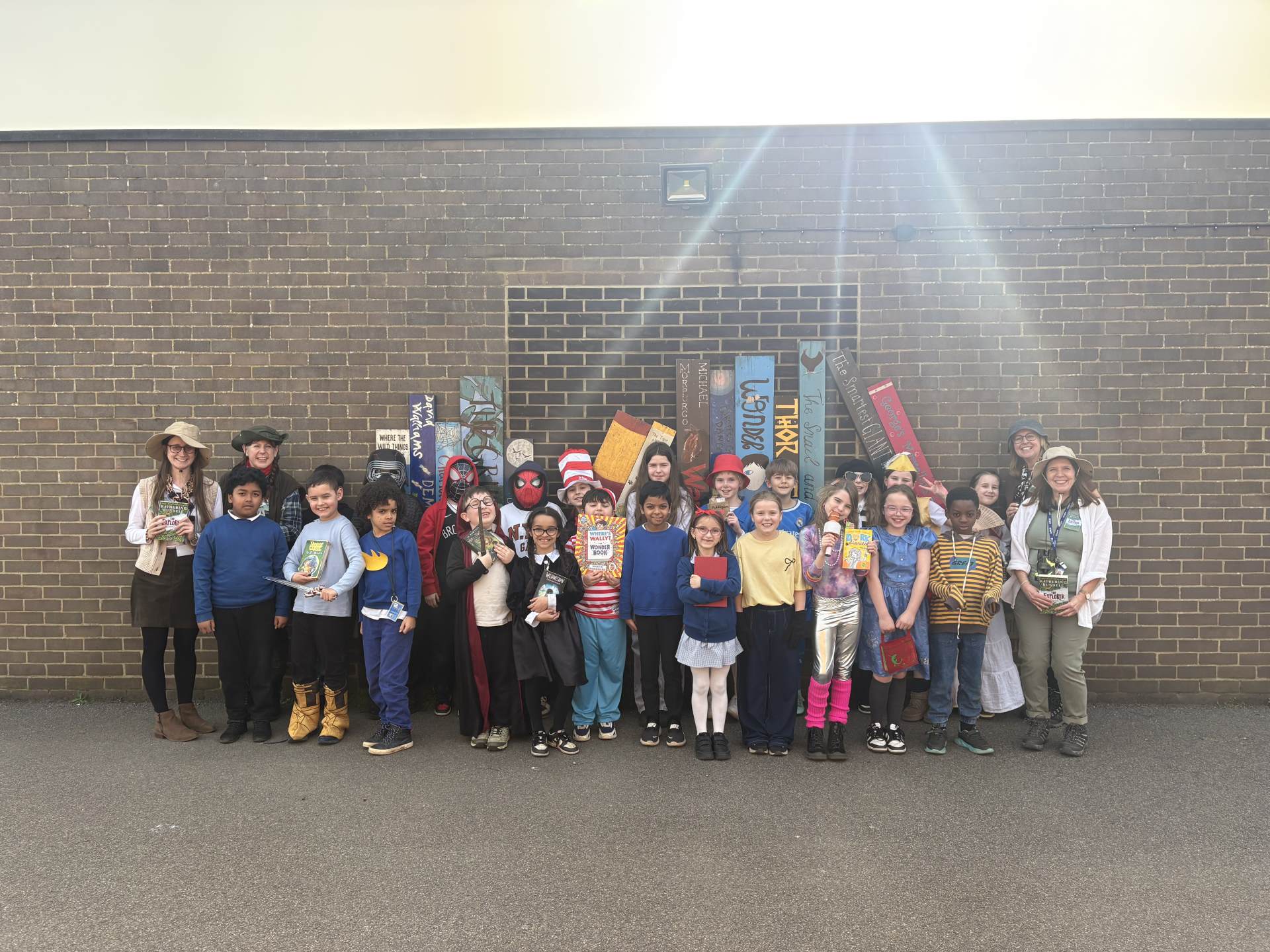
World Book Day 2026
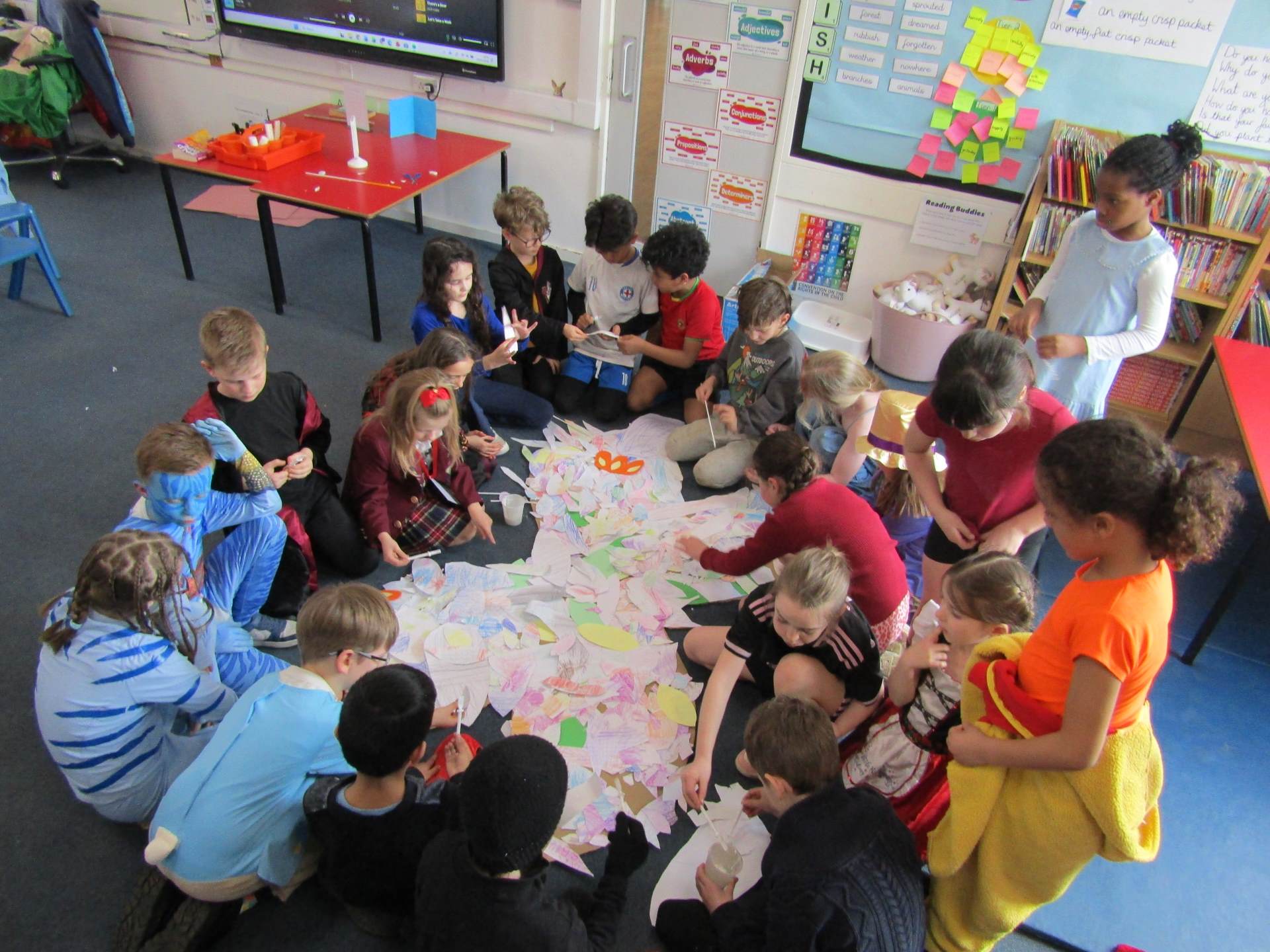
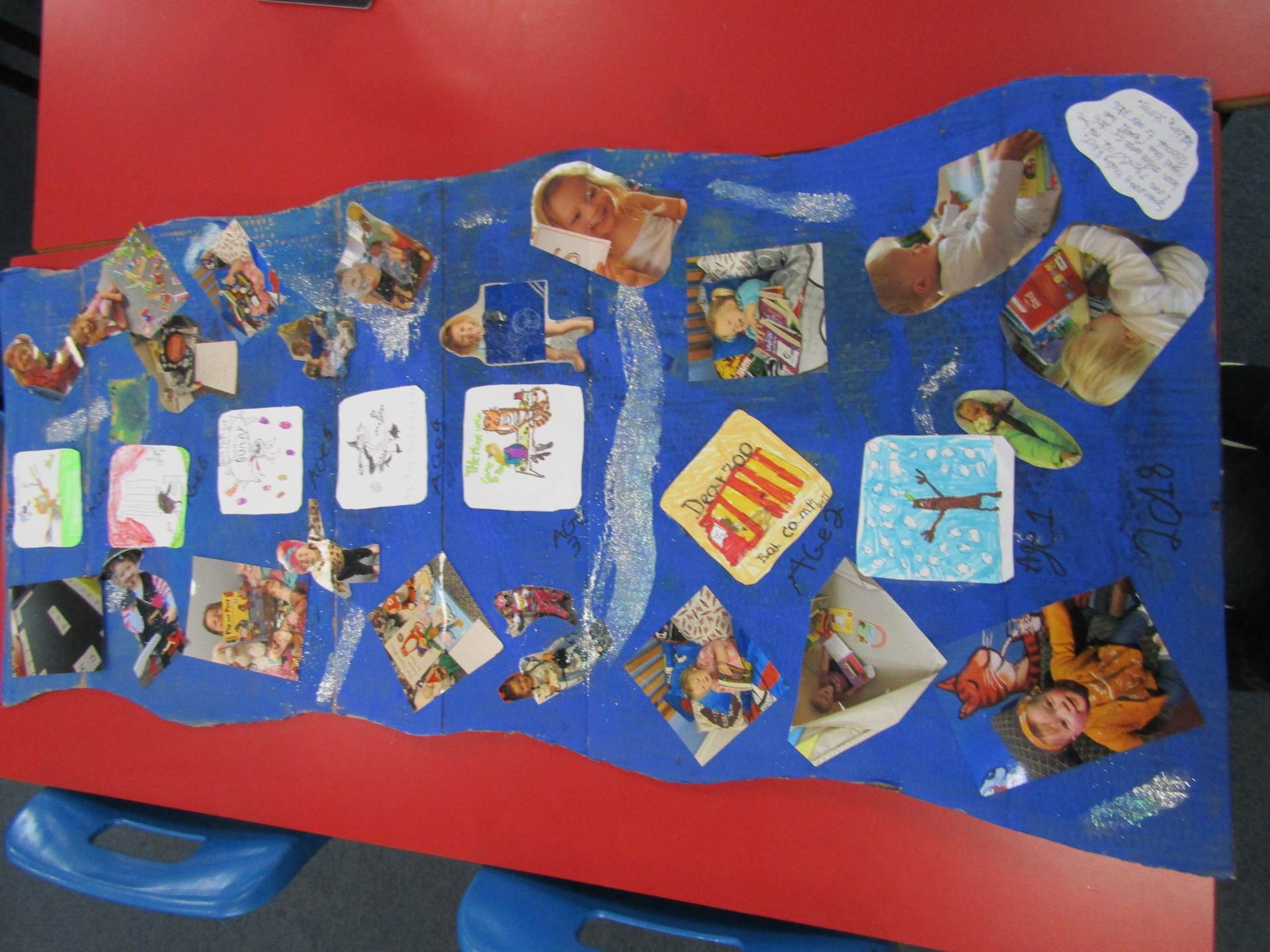
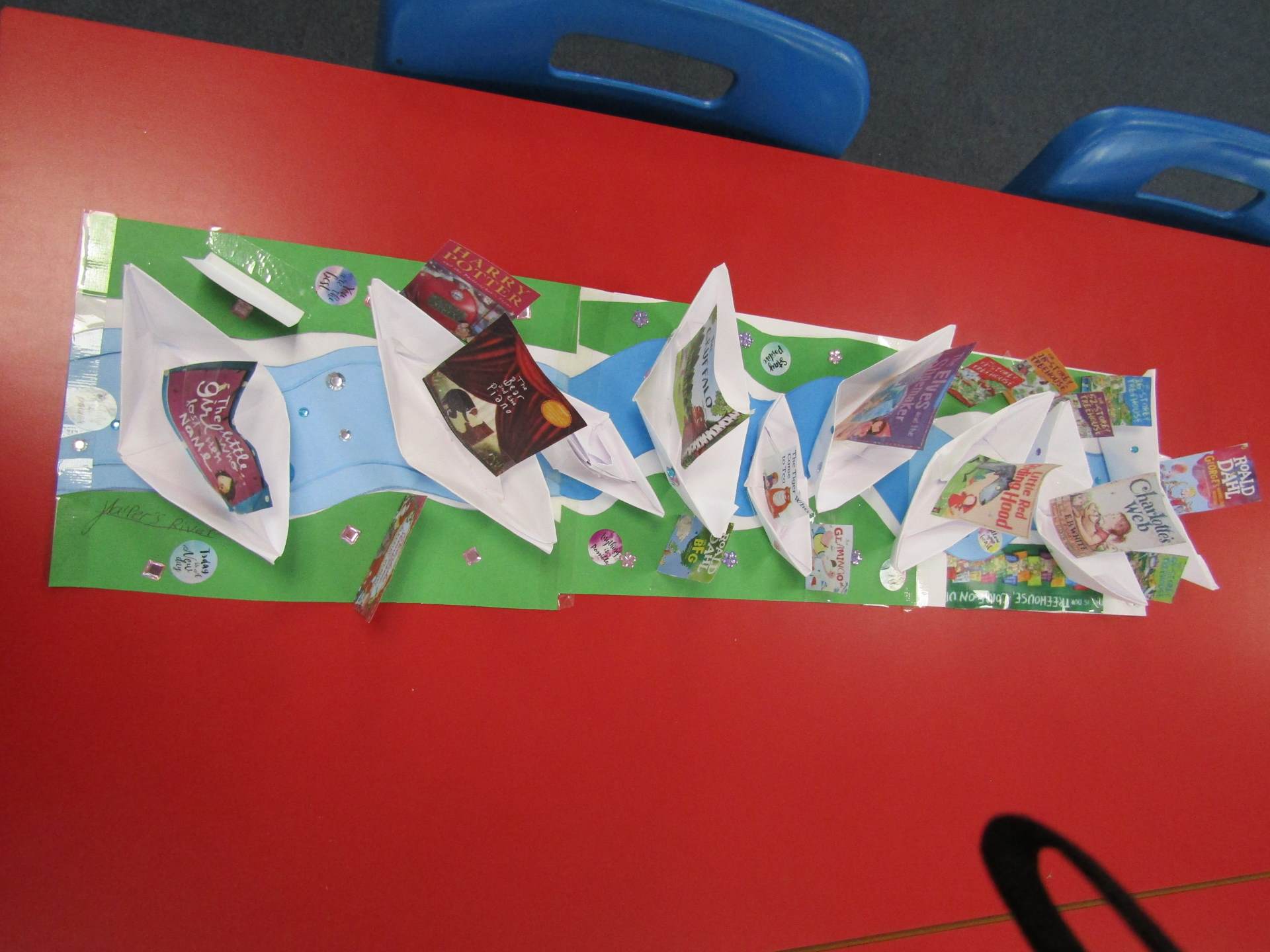
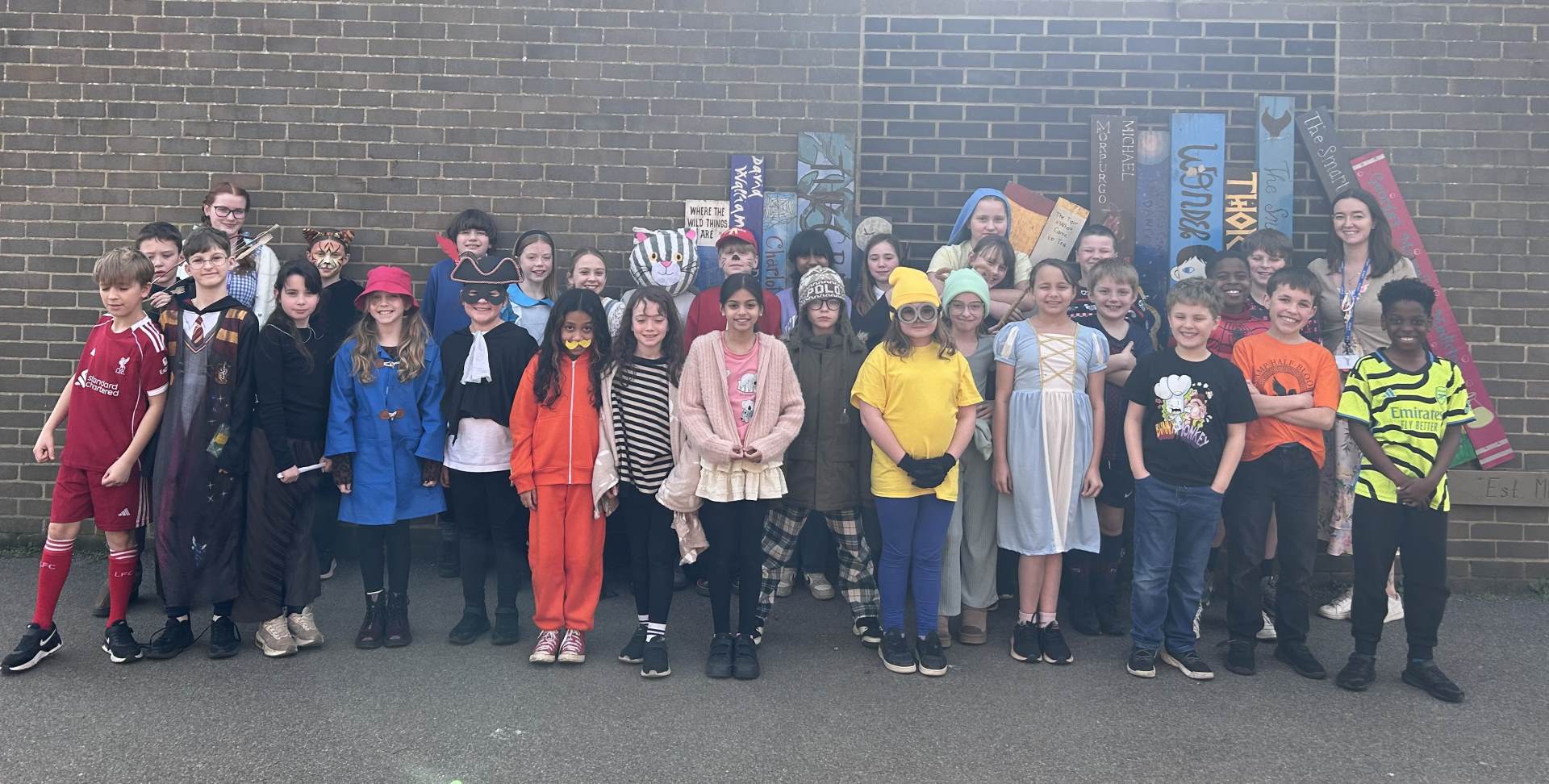
World Book Day 2026